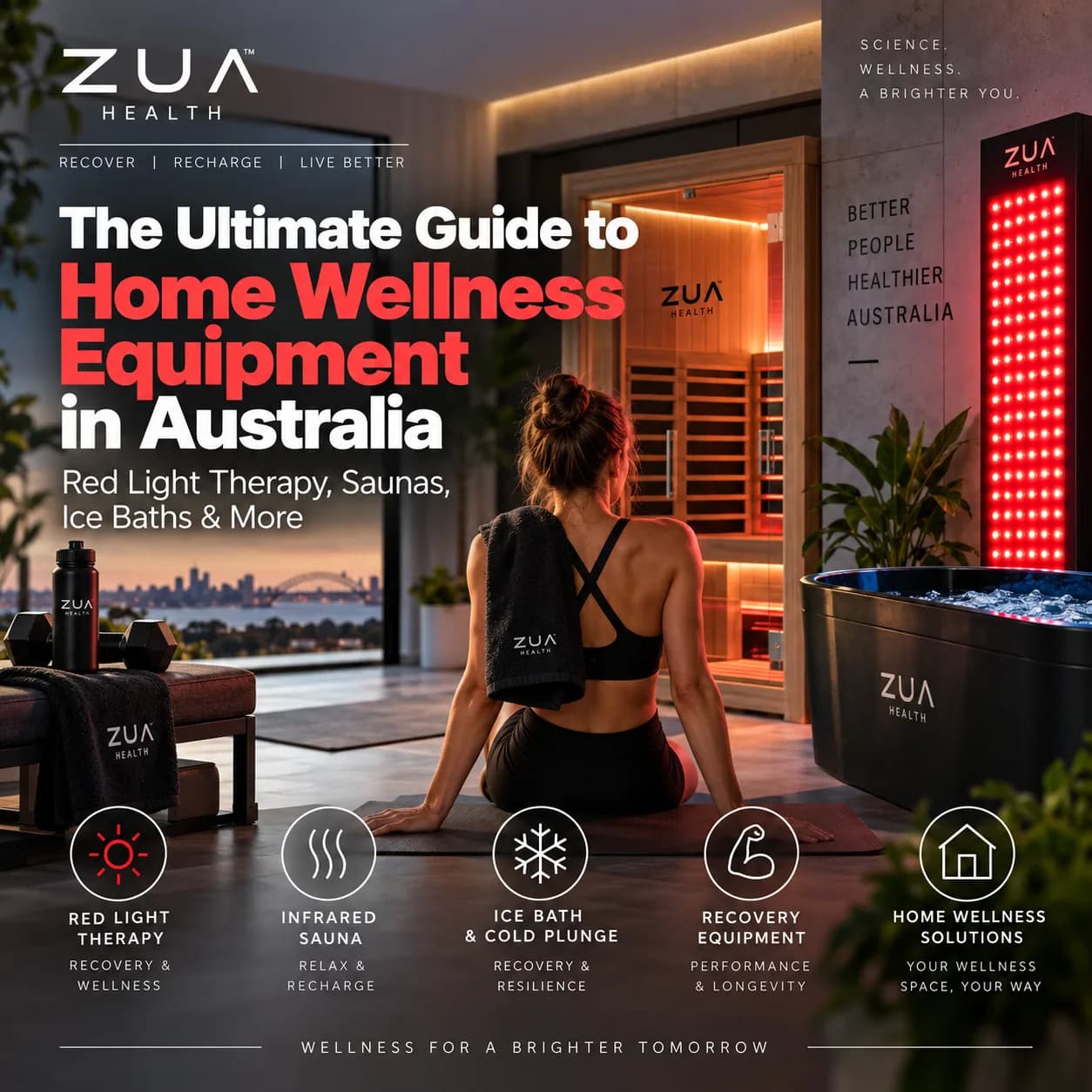
The Ultimate Guide to Home Wellness Equipment in Australia: Red Light Therapy, Saunas, Ice Baths & More
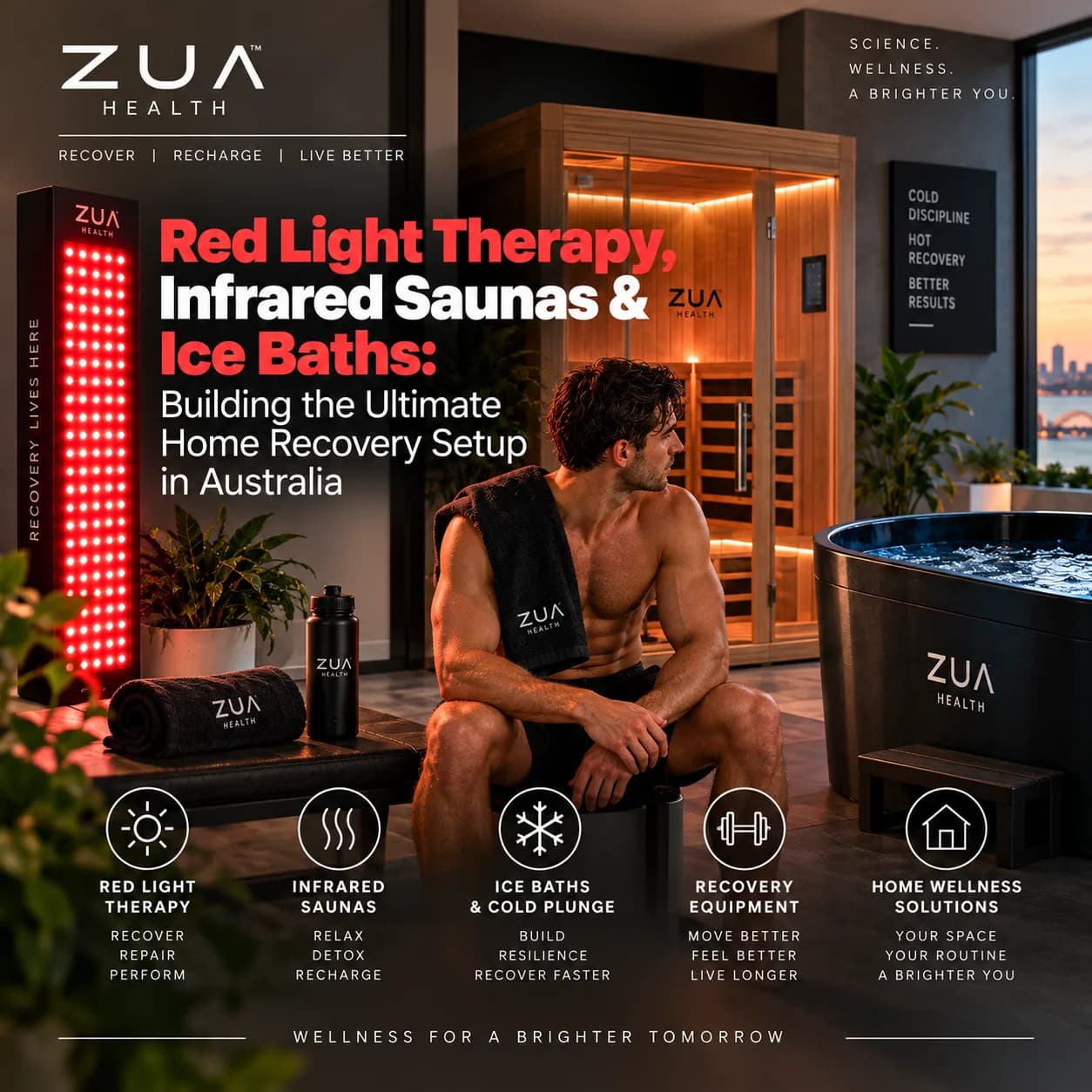
Home wellness has changed significantly in recent years. What was once mainly available through specialist clinics, gyms and wellness centres can now be incorporated into a dedicated space at home. From Red Light Therapy Australia solutions to infrared saunas, ice baths and modern recovery technology, Australians have more options than ever when building a personal wellness environment.
But having more options also creates a problem: how do you know which equipment is actually worth considering?
The answer depends on what you want your setup to achieve. Some people are primarily interested in exercise recovery, while others want relaxation, heat exposure, cold exposure, skin-focused routines or a convenient way to maintain a consistent wellness routine at home.
This guide explains the major categories of Home Wellness Equipment, what each one is designed to do, what features are worth comparing and how different technologies can fit together into a practical home setup.
What Is Home Wellness Equipment?
Home wellness equipment refers to products designed to support recovery, relaxation, exercise routines and general wellbeing from the convenience of your own home. The category includes technologies such as red and near-infrared light devices, infrared saunas, ice baths, compression equipment and other recovery systems.
These technologies are not all designed to do the same thing. A red light therapy panel uses specific wavelengths of light, while an infrared sauna uses heat and an ice bath provides cold exposure. Understanding this difference is important when deciding what belongs in your home wellness space.
Rather than buying every available device, a better approach is to identify your main goals first and then choose equipment that fits those goals.
Why Home Wellness Equipment Is Becoming More Popular in Australia
Convenience is one of the biggest reasons Australians are creating wellness spaces at home. Travelling to a clinic or recovery facility every time you want to use a particular technology can make consistency difficult.
A home setup can make wellness routines easier to repeat. Once the equipment is installed, the main challenge becomes using it consistently and following the manufacturer's recommended settings and safety instructions.
Australia's growing interest in recovery, fitness and preventative wellness has also increased awareness of technologies such as red light therapy, infrared saunas and cold exposure.
For people who train regularly, home recovery equipment can also complement existing habits such as sleep, nutrition, mobility work and appropriate exercise programming.
Red Light Therapy: A Popular Foundation for Home Wellness
Red Light Therapy Australia has become increasingly visible in home wellness, fitness and recovery environments. Red light therapy, often discussed as photobiomodulation, uses specific wavelengths of red and near-infrared light.
Different devices are designed for different treatment areas. Smaller panels can be useful when targeting a particular body area, while larger systems can provide much greater coverage.
ZUA Health offers a range of red light therapy equipment, including the A1200 Red Light Therapy Panel and larger full-body systems.
What Should You Look For in a Red Light Therapy Device?
- Wavelengths: Check which wavelengths the device uses and why they are included.
- Irradiance: Look for clearly stated output information and understand the distance at which measurements are provided.
- Treatment area: Consider whether you want targeted treatment or larger body coverage.
- Session guidance: Follow the manufacturer's recommended duration and distance.
- Build quality: Cooling, construction and overall design can matter for regular use.
- Warranty: A clear warranty can provide additional confidence when making a larger investment.
It is also important not to assume that the most powerful-looking specification automatically means the device is the best choice. The appropriate equipment depends on the intended use, treatment area and how the device will fit into your routine.
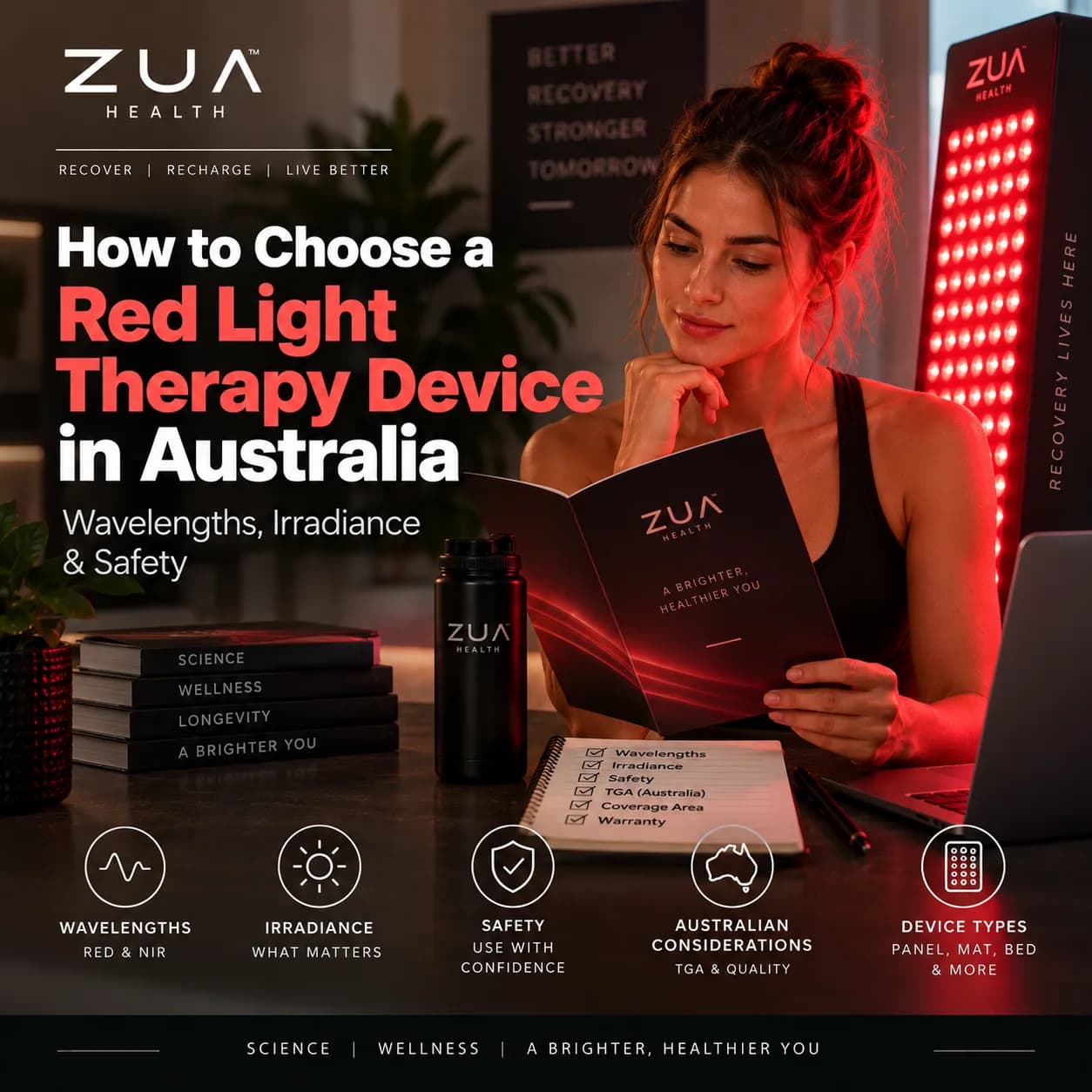
If you are comparing different devices, our guide on how to choose a red light therapy device in Australia provides a more detailed look at wavelengths, irradiance, treatment area and safety considerations.
Red Light Therapy for Exercise Recovery
Recovery is one of the most common reasons people consider red light therapy. Research into photobiomodulation has investigated areas including muscle soreness, exercise recovery and physical performance, although results vary depending on the protocol, wavelength, timing and other factors.
For an active person, red light therapy may therefore be considered as one component of a broader recovery routine rather than a replacement for the fundamentals.
Sleep, nutrition, hydration, appropriate training loads and rest remain important parts of recovery.
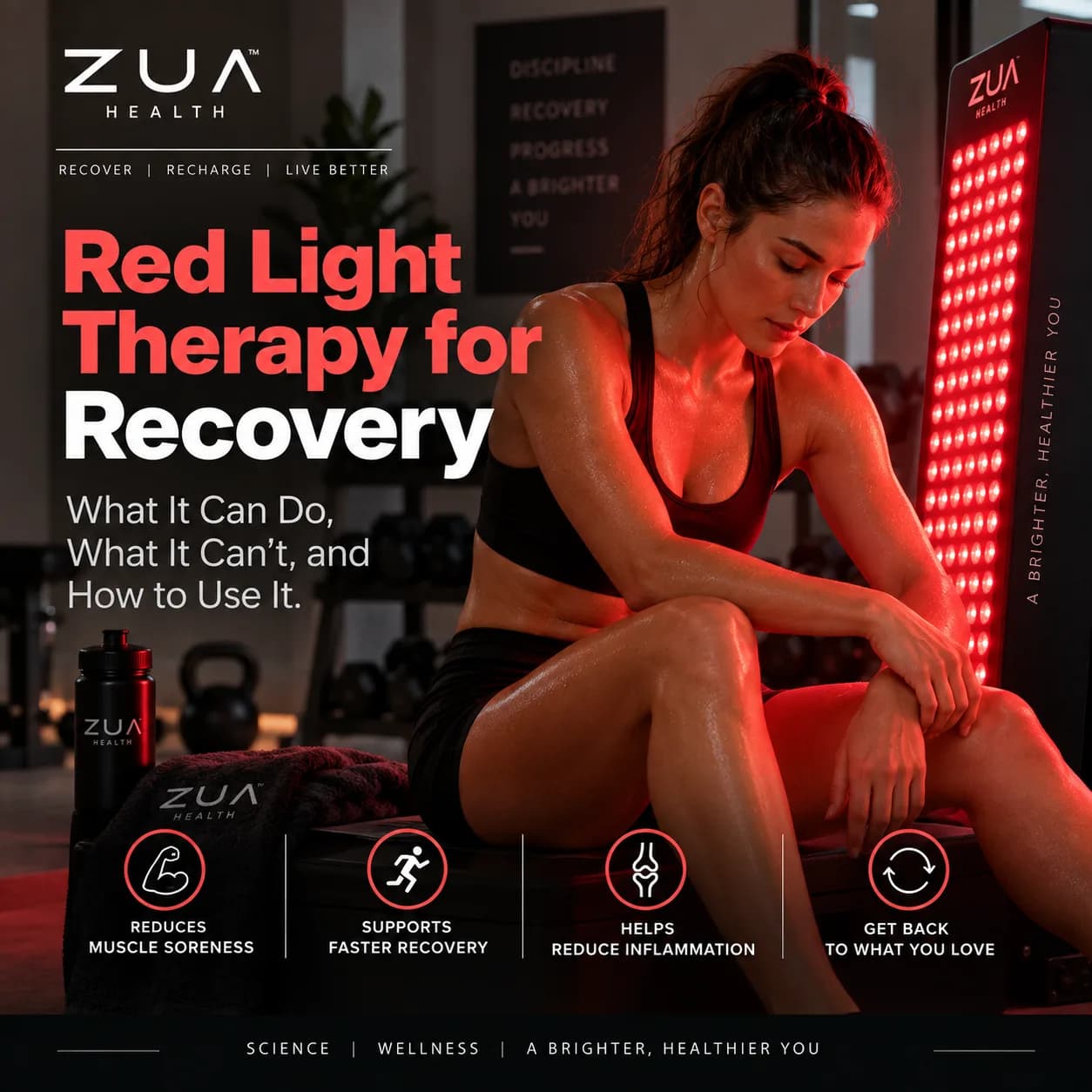
Our guide to red light therapy for recovery explores what the research suggests, where the evidence is more promising and where expectations should remain realistic.
Infrared Saunas: Heat-Based Wellness at Home
Infrared Sauna Australia searches have grown alongside the broader interest in home wellness. Unlike a traditional sauna, infrared sauna systems use infrared energy to produce heat within the sauna environment.
Many people choose infrared saunas because they can create a dedicated heat-based relaxation routine at home without needing to visit a commercial sauna facility.
ZUA Health's infrared sauna range includes different configurations designed for home wellness environments.
What Are the Benefits of Having a Sauna at Home?
The biggest advantage is convenience. Instead of travelling to a sauna facility, you can use your sauna as part of your own routine.
A sauna can also become a useful relaxation ritual. Some people prefer using heat after training, while others use it as a separate evening or wellness routine.
However, sauna use is not suitable for everyone. Heat exposure can place additional demands on the body, so users should follow the manufacturer's instructions and consider individual health circumstances when deciding whether sauna use is appropriate.
Red Light Therapy vs Infrared Sauna
Although both technologies use the word “infrared” in discussions around wellness, they are fundamentally different.
| Feature | Red Light Therapy | Infrared Sauna |
|---|---|---|
| Primary technology | Red and near-infrared light | Infrared heat |
| Main experience | Light-based session | Heat exposure |
| Typical environment | Panel, bed or dedicated light device | Enclosed sauna |
| Temperature | Does not rely on high ambient heat | Designed to create a heated environment |
| Common reason for use | Light-based wellness and recovery routines | Heat, relaxation and sauna routines |
They should therefore not be treated as interchangeable technologies. Some people may choose to incorporate both into a broader wellness routine because they serve different purposes.
Ice Baths and Cold Plunge Equipment
Ice Bath Australia and Cold Plunge Australia are increasingly common searches among people interested in recovery and cold exposure.
An ice bath or cold plunge provides controlled exposure to cold water. For athletes and active individuals, cold-water immersion is often considered as part of a recovery strategy, particularly after demanding training.
However, timing matters. Cold exposure is not simply a case of “more is better”. Depending on your training goals, using cold exposure immediately after certain types of strength or adaptation-focused training may not always be desirable.
The practical advantage of a dedicated cold plunge is consistency. A purpose-built system can make it easier to control the environment and establish a repeatable routine compared with manually preparing an improvised ice bath.
ZUA Health's ice bath range is designed for people looking to incorporate cold exposure into their home or wellness environment.
Recovery Equipment for Active Australians
Recovery Equipment Australia covers a much broader category than red light therapy alone.
People who train regularly may use several different recovery tools depending on their routine. These can include red light therapy, compression systems, massage devices, sauna sessions and cold exposure.
Each technology approaches recovery differently, so the goal should not necessarily be to use everything. Instead, consider which tools solve the biggest problems in your routine.
Examples of Recovery Equipment
- Red light therapy panels and full-body systems
- Infrared saunas
- Ice baths and cold plunges
- Compression recovery systems
- Massage and mobility equipment
- Other targeted recovery technologies
The best setup is usually the one you can use consistently and that fits your lifestyle, available space and budget.
Building a Home Wellness Setup
You do not need a dedicated commercial-sized wellness centre to create a useful setup at home.
A practical starting point is to identify one or two priorities. For example, someone who exercises frequently may prioritise recovery equipment, while another person may care more about relaxation and heat exposure.
Step 1: Define Your Main Goal
Start by asking what you actually want from your equipment. Are you primarily interested in recovery, relaxation, heat exposure, cold exposure, skin-focused routines, performance support or simply creating a more consistent wellness routine?
Step 2: Consider Your Available Space
Space can significantly influence your choice. A compact red light panel may fit into a bedroom, home gym or treatment room, while a sauna or cold plunge requires considerably more planning.
Measure the available area before purchasing larger equipment and consider ventilation, electrical requirements, access and installation.
Step 3: Choose the Technology That Matches Your Goal
| Goal | Equipment to Consider |
|---|---|
| Light-based wellness and recovery | Red light therapy |
| Heat and relaxation | Infrared sauna |
| Cold exposure | Ice bath or cold plunge |
| Exercise recovery | Red light therapy, compression and other recovery tools |
| Complete home wellness space | A combination selected around individual needs |
How Much Home Wellness Equipment Do You Actually Need?
More equipment does not automatically mean better results.
A common mistake is buying several products before establishing a consistent routine. A simpler setup that gets used regularly can be more valuable than an expensive collection of equipment that sits unused.
For many people, starting with one technology and learning how it fits into their lifestyle is a sensible approach. Additional equipment can then be added when there is a genuine reason for it.
What About Biohacking?
Biohacking Australia is another area driving interest in personal wellness technology. The term can mean different things to different people, but it generally refers to experimenting with lifestyle, environment, technology and routines to improve aspects of wellbeing or performance.
Home wellness equipment fits naturally into this conversation because technologies such as red light therapy, sauna and cold exposure can be incorporated into structured routines.
However, biohacking should not mean chasing every new trend. A sensible approach is to focus on interventions that are practical, measurable and compatible with your lifestyle.
Good sleep, regular physical activity, balanced nutrition and appropriate recovery should remain the foundation. Wellness technology can complement those habits rather than replace them.
How to Compare Wellness Equipment Before Buying
When comparing Wellness Equipment Australia options, look beyond the headline marketing claims.
1. Specifications
Check the actual specifications rather than relying solely on phrases such as “professional grade” or “advanced technology”. For light devices, look at wavelengths and irradiance. For saunas, consider dimensions, power requirements and construction. For cold plunges, consider capacity, filtration and temperature control.
2. Warranty
Wellness equipment can represent a significant investment. A clearly stated warranty gives you a better understanding of the manufacturer's support commitment.
3. Australian Support
Buying locally can provide practical advantages, particularly when equipment is large, technical or difficult to ship internationally. Consider availability of support, spare parts and service.
4. Power Requirements
Always check the electrical requirements before purchasing. Larger systems can have substantially different power demands from compact home devices.
5. Size and Installation
Measure your available space carefully. A product can look manageable online but require significantly more room once clearance, access and installation are considered.
6. Safety Information
Look for clear operating instructions, warnings and safety guidance. Follow the manufacturer's recommended usage rather than assuming that longer or more intense sessions are automatically better.
Home Wellness Equipment vs Commercial Wellness Centres
A commercial wellness facility can offer access to multiple technologies without requiring you to purchase or maintain the equipment yourself.
The advantage of home equipment is convenience and privacy. Once installed, you can incorporate a session into your day without travelling or working around facility opening hours.
The right option depends on how frequently you intend to use the equipment and whether the long-term convenience justifies the initial investment.
Creating a Recovery-Focused Home Wellness Space
A dedicated home recovery space does not need to be complicated. Start with the equipment that addresses your most important need and build around it.
For example, an active person might combine a red light therapy system with mobility equipment and occasional heat or cold exposure. Someone more focused on relaxation might prioritise an infrared sauna and create a comfortable environment around it.
The goal is to create a system that supports your routine rather than another complicated task you have to manage.
Where ZUA Health Fits In
ZUA Health focuses on red light therapy, infrared saunas, ice baths and recovery-focused wellness equipment for Australian customers.
The range includes products for different spaces and use cases, from individual red light therapy panels to larger full-body systems and dedicated sauna and cold-water equipment.
You can explore the complete ZUA Health product range or browse individual categories to compare available options.
For customers who want to see equipment in person, ZUA Health also has an Australian showroom presence, providing an opportunity to learn more about selected wellness technologies before making a purchase.
Frequently Asked Questions
What is the best home wellness equipment in Australia?
There is no single best option for everyone. The right equipment depends on your goals, available space, budget and preferred routine. Red light therapy, infrared saunas and ice baths each provide different types of wellness experiences.
Is red light therapy the same as an infrared sauna?
No. Red light therapy uses specific wavelengths of red and near-infrared light, while an infrared sauna uses infrared energy to create a heated environment. They are different technologies with different applications.
Can I combine red light therapy and sauna use?
Some people choose to include both in their wellness routine because they provide different experiences. If combining technologies, follow the individual manufacturer's instructions and avoid assuming that longer or more intense sessions are better.
Are ice baths good for recovery?
Cold-water immersion is commonly used as a recovery strategy, particularly among athletes. However, its usefulness can depend on timing, training goals and individual circumstances. It should be considered as one part of a broader recovery strategy.
Do I need expensive equipment to create a home wellness space?
No. A useful wellness setup can start with a single piece of equipment that addresses your primary goal. Building gradually can be more practical than purchasing multiple products at once.
What should I check before buying wellness equipment?
Compare specifications, intended use, dimensions, power requirements, warranty, safety information, customer support and the reputation of the supplier. For larger equipment, also consider delivery and installation requirements.
Final Thoughts
The growth of Recovery Technology and home wellness equipment has made it easier for Australians to create personalised recovery and wellness environments without relying entirely on commercial facilities.
Red light therapy, infrared saunas and ice baths can each play a different role. The key is understanding what each technology actually does, choosing equipment that matches your goals and creating a routine that you can realistically maintain.
Whether you are building a dedicated home recovery room or simply adding one wellness device to your existing routine, focus on quality, practicality, safety and consistency rather than chasing every new trend.
Explore ZUA Health's range of home wellness and recovery equipment to find products designed for Australian homes, gyms, clinics and wellness environments.